Mirrors, Masks, and Revolution: Why The Balcony Remains a Cinematic Oddity
Joseph Strick’s 1963 adaptation of Jean Genet’s The Balcony is a daring, disorienting experience that feels like a fever dream captured on celluloid. It is not merely a film about a brothel; it is a biting, absurdist exploration of the thin, permeable line between reality and the roles we play to maintain our grip on power.
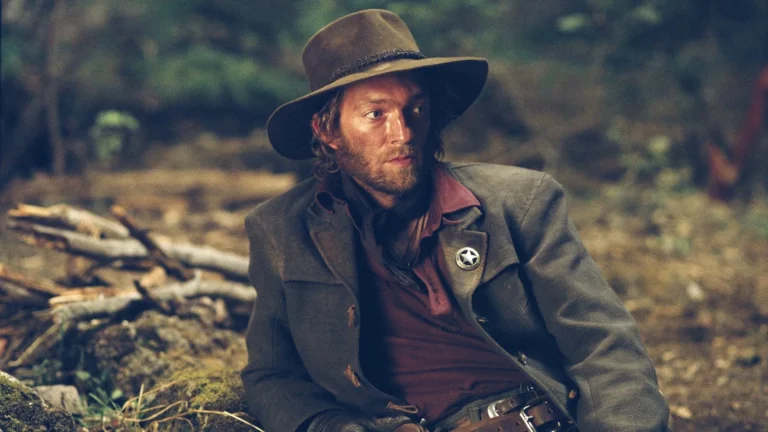
Remarkable staging
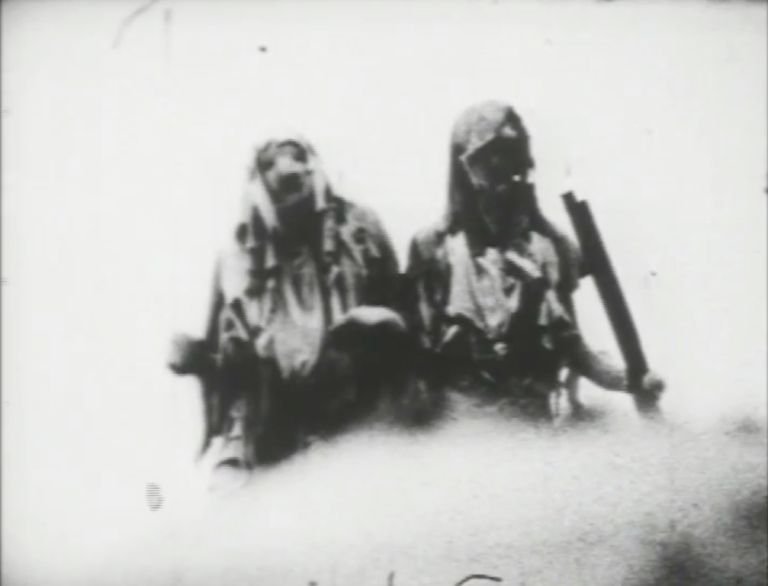
By presenting the brothel as a soundstage equipped with props, costumes, and cameras, Strick masterfully emphasizes the performative nature of governance and social order. As the revolution rages outside—represented by stark, gritty footage that clashes beautifully with the artificiality of the interiors—the film asks a chilling question: Is there any difference between a legitimate leader and a man playing a role if the public believes in both?
The performances are the film’s anchor. Shelley Winters brings a detached, calculating magnetism to Madame Irma, while Peter Falk delivers a standout performance as the Police Chief, including a wild, absurdist soliloquy that ranks among the most intense moments in his career. With a supporting cast that includes Lee Grant and a young Leonard Nimoy, the film is an eclectic ensemble piece that refuses to offer easy comfort.
While its rear projection and experimental tone may feel jarring to modern audiences, The Balcony remains a visually striking, subversive critique of authority. It is an “oddity” in the truest sense—a challenging piece of art that dares to suggest our world is built on the same shaky, make-believe foundations as a house of illusions.
About the Author