Visual anarchism that would define Brazil and The Fisher King
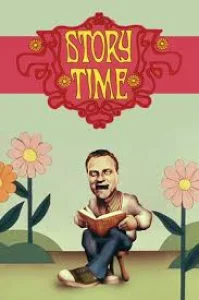
In Terry Gilliam’s Storytime (1979, often screened in 1980 as a theatrical short accompanying Monty Python’s Life of Brian), the nine-minute cut-out animation unfolds as a compact philosophical treatise on the tyranny of narrative itself. Composed of three absurd vignettes—most memorably the saga of Don the Cockroach, a cheerful bourgeois insect navigating the architectural prison of his own mansion—Gilliam’s early masterpiece exposes storytelling as both liberation and cage. Here, the animated frame becomes a metaphysical arena where the banal rituals of domesticity (scurrying beneath floorboards, polishing silver, evading the invisible hand of fate) mirror the Sisyphean loop of human existence. Gilliam, already honing the visual anarchism that would define Brazil and The Fisher King, refuses linear causality; instead, each cut-out figure is a puppet whose strings are tugged by the very act of narration. The result is not mere whimsy but a proto-existentialist parable: we are all Don, blissfully ignorant of the architecture that confines us, until the story demands we notice the walls.
Philosophically, Storytime interrogates the ontology of the image in a manner that anticipates Baudrillard’s simulacra and Deleuze’s time-image. The disembodied hands that appear in the second segment—clapping, gesturing, manipulating objects without a body—embody pure agency divorced from identity, a Cartesian nightmare where the cogito is reduced to mechanical performance. Gilliam’s stop-motion technique, deliberately crude and jerky, denies the illusion of seamless reality; every splice reminds us that time itself is manufactured, edited, and ultimately fraudulent. The Christmas-card finale, with its grotesque inversion of holiday sentimentality, collapses the sacred and the profane into a single, mocking tableau, suggesting that all cultural rituals are animated fictions we consent to inhabit. In this miniature cosmos, Gilliam does not satirize society so much as reveal its underlying cartoon logic: we live inside stories we did not write, performing gestures scripted by invisible animators.
Ultimately, Storytime stands as Gilliam’s most distilled meditation on creative rebellion. By reclaiming the cut-out technique from children’s television and weaponizing it against adult complacency, the film asserts that true philosophy begins in absurdity—laughter as the only honest response to a universe that insists on coherence. For the cinephile attuned to the director’s later battles against studio logic and bureaucratic entropy, this short is no footnote but the primal scene: a declaration that imagination is the last refuge of the free. In nine minutes, Gilliam proves that the shortest story can contain the longest philosophical wound, leaving the viewer not enlightened but deliciously unmoored, forever suspicious of the next frame.